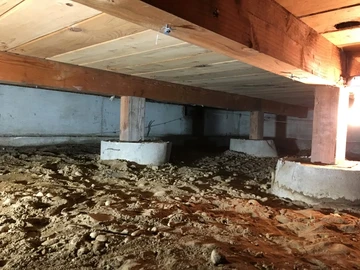

Spray foam insulation or (SPF) Spray polyurethane foam is the most efficient, energy, and cost-saving option for your home or business. Whether the building is new or existing construction, from metal buildings to barns, spray foam products play a crucial role in ensuring buildings operate efficiently as a system, minimizing leaks and keeping conditioned air inside when applied to walls, roofs, ceilings, floors, basements, and foundations. Spray Foam is a 2-in-1 package that’s not just an insulator but also a superior air barrier.
When considering spray foam insulation, it is important to understand that there are two primary categories available, each with distinct properties and applications suited for different needs.
Also known as "light density foam" or "half pound foam", is a soft and flexible type of foam, with a sponge-like texture. As the name suggests, the cells in the foam are not completely closed, which makes it less dense and more affordable. It is an excellent sound insulator and expands significantly upon application, allowing it to fill nooks and crannies easily, though it is not a vapor barrier.
Sometimes called "two-pound foam", is much denser and rigid because its cells are fully closed and packed together. This structure gives it a higher R-value per inch (better thermal resistance) and adds structural strength to the building. It also acts as a vapor barrier and is highly resistant to water, making it suitable for areas prone to moisture.
The "R" in R-value stands for Resistance. It measures a material's ability to resist the flow of heat. The higher the R-value, the better the material is at insulating your home and keeping heat from escaping (in winter) or entering (in summer). Spray foam is unique because it offers some of the highest R-values per inch of any insulation material in addition to it's air sealing properties (which further boosts it's real world performance).
Need more info? Check out these informative external links!
Tax Credits, Rebates, & Savings – find out what is available in your area from Energy.gov
Recommended R-Values – brought to you by Energy Star